SUNDERLAND CITY
WOMEN’S RUGBY WORLD CUP OPENING
AI PORTRAITS
WOMENS’S RUGBY WORLD CUP
Creative Direction, Experience Design, Visual Development, Midjourney Prompt Engineering, AI Art Direction, Prompt Matrix Design
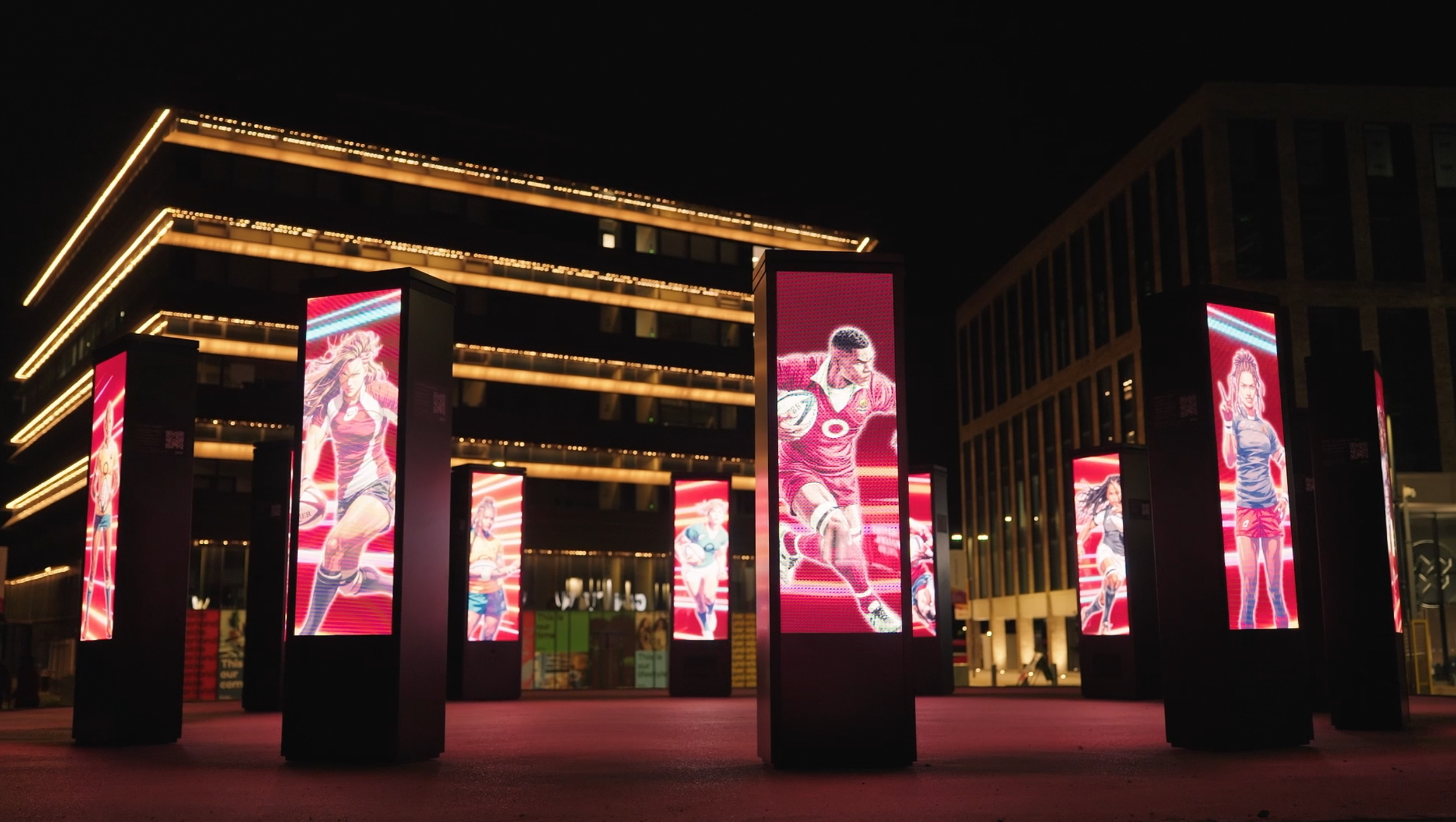
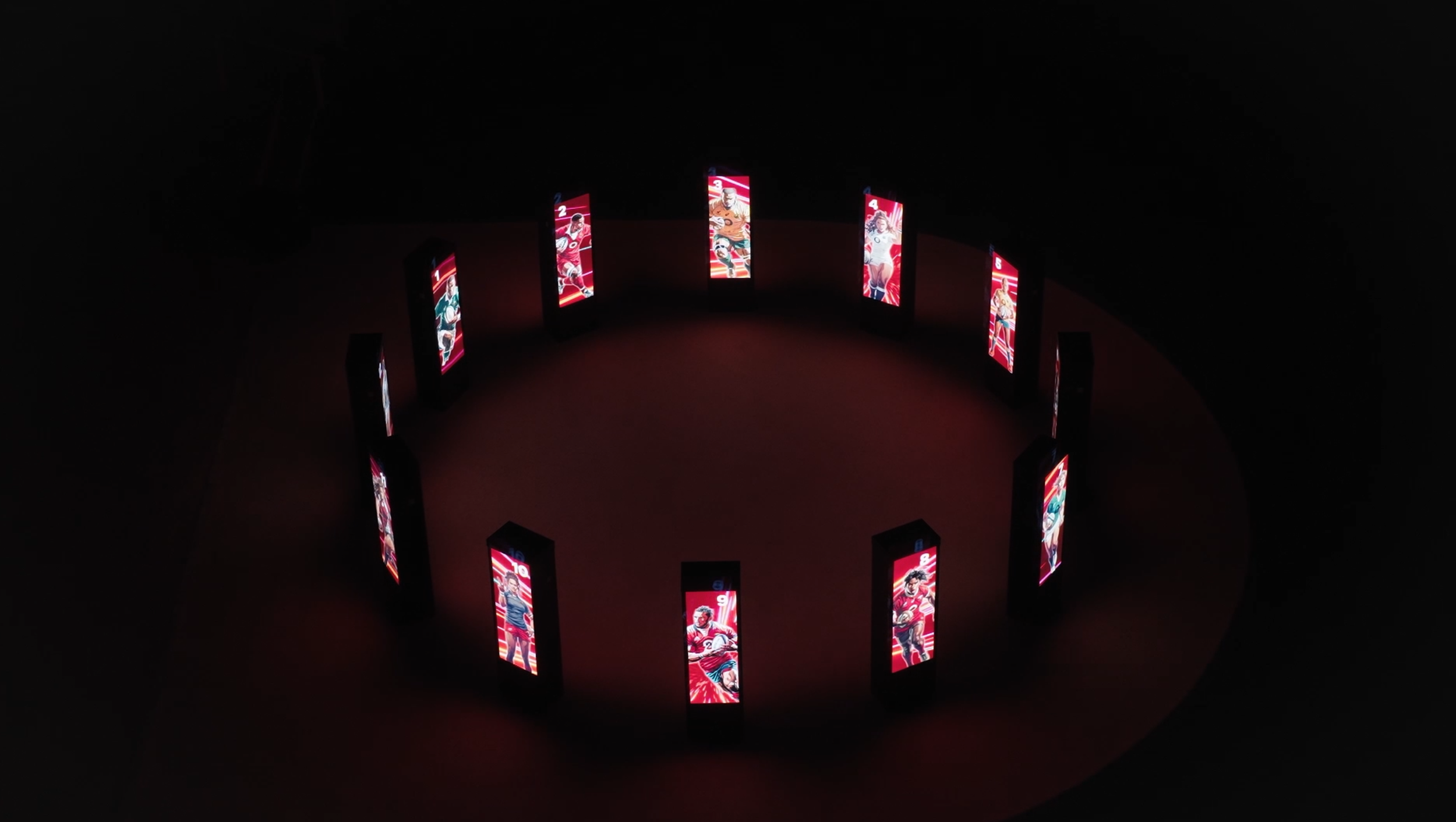
The opening weekend of the Women’s Rugby World Cup put Sunderland in the middle of the rugby world.
The experience had to work instantly. For people in the city. For fans moving through Pixel Plaza. For anyone joining in from elsewhere. No app download. No long explanation. No barrier to entry.
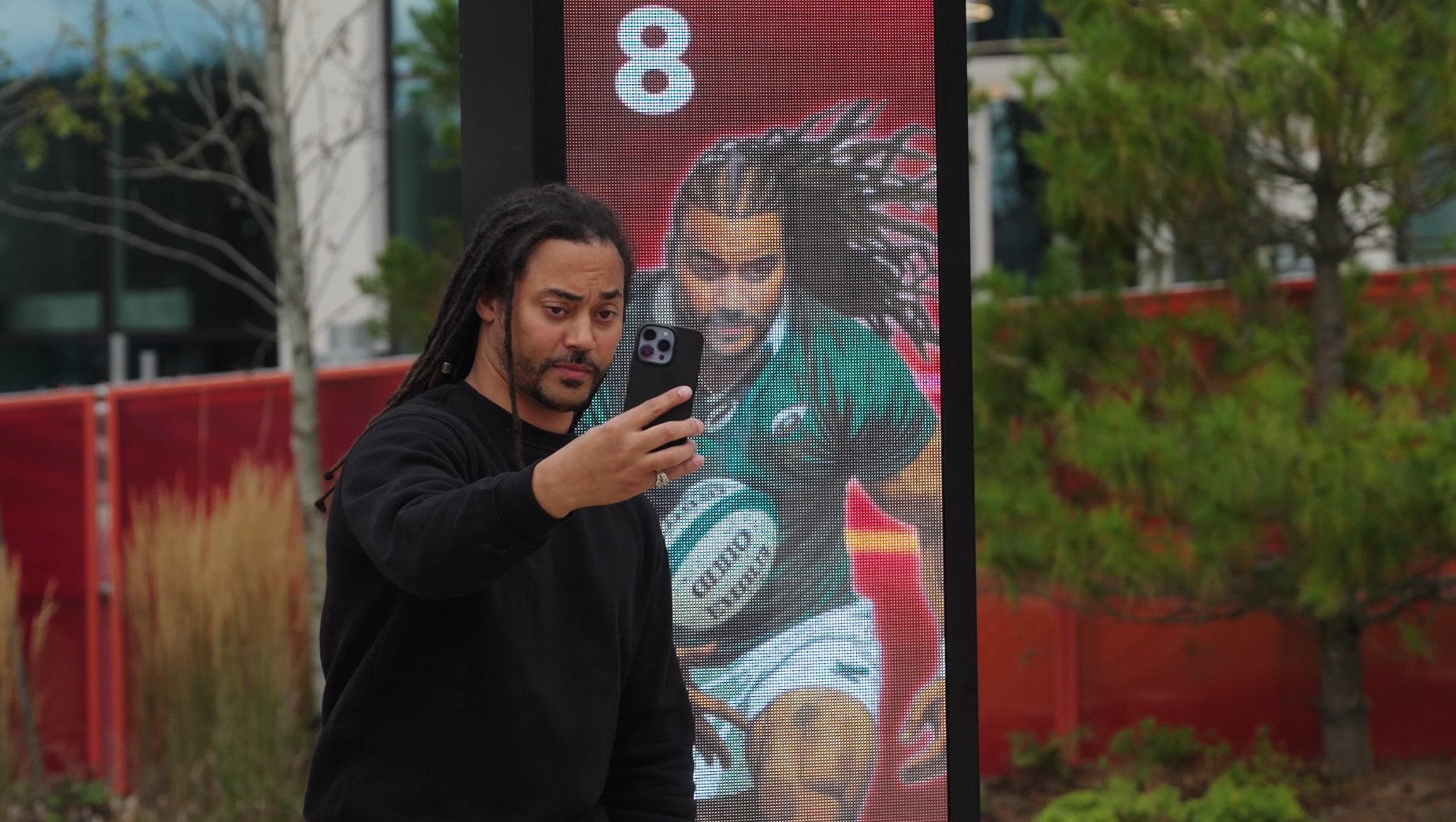
Just scan a QR code, make a few choices, see yourself as a rugby player, and let the world see you as one too.
I led the creative direction, experience design and visual development for a public AI portrait experience that invited people to become part of the event. People created their portrait through a simple set of choices:
16 national teams
Gender
Player position, which influenced body type and silhouette
Skin tone
Hairstyle
Hair colour
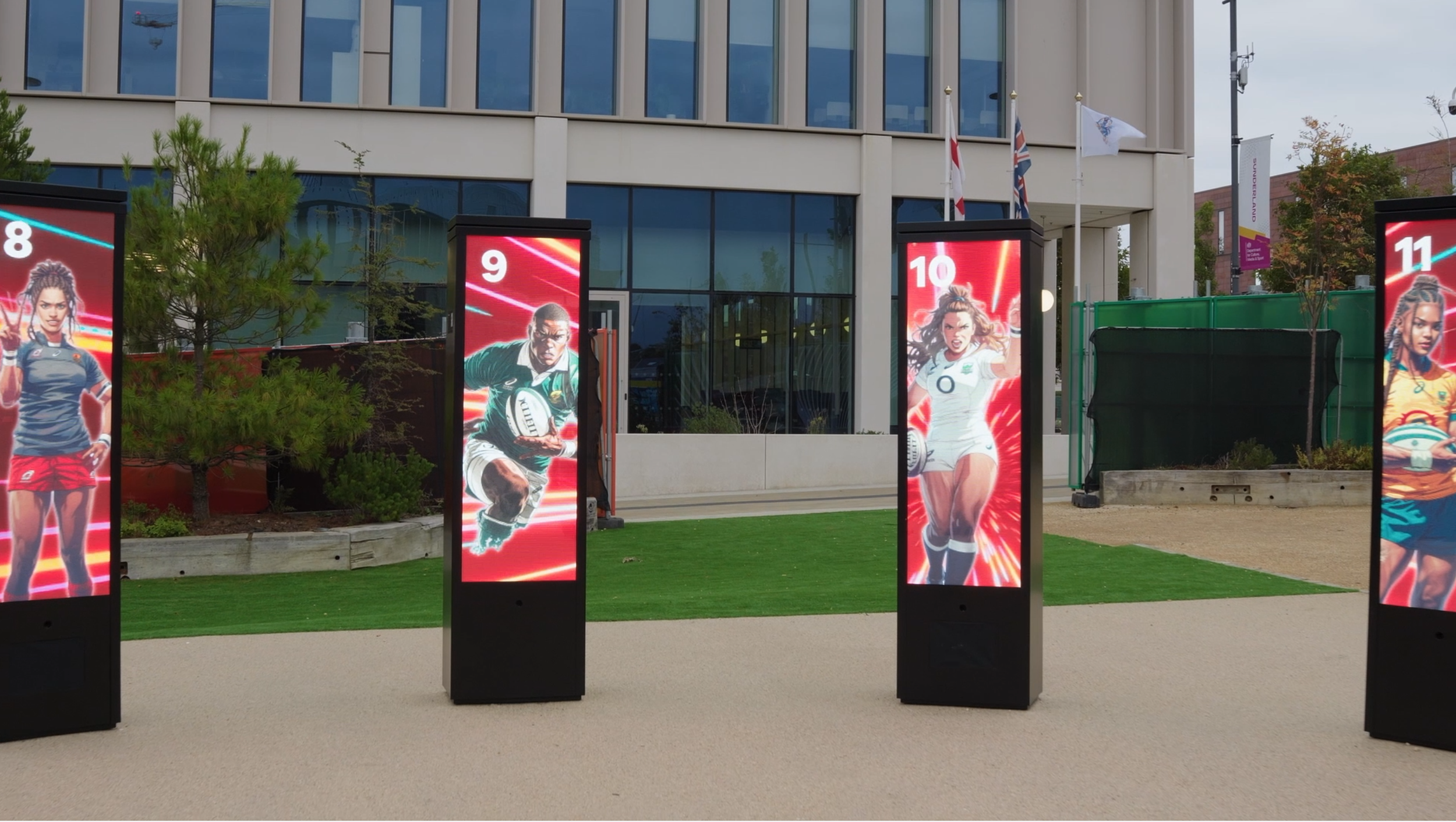
People could then generate a personalised rugby portrait in real time, share it from their phone, and see it appear across the Pixel Plaza totems. A small private interaction became a public moment.
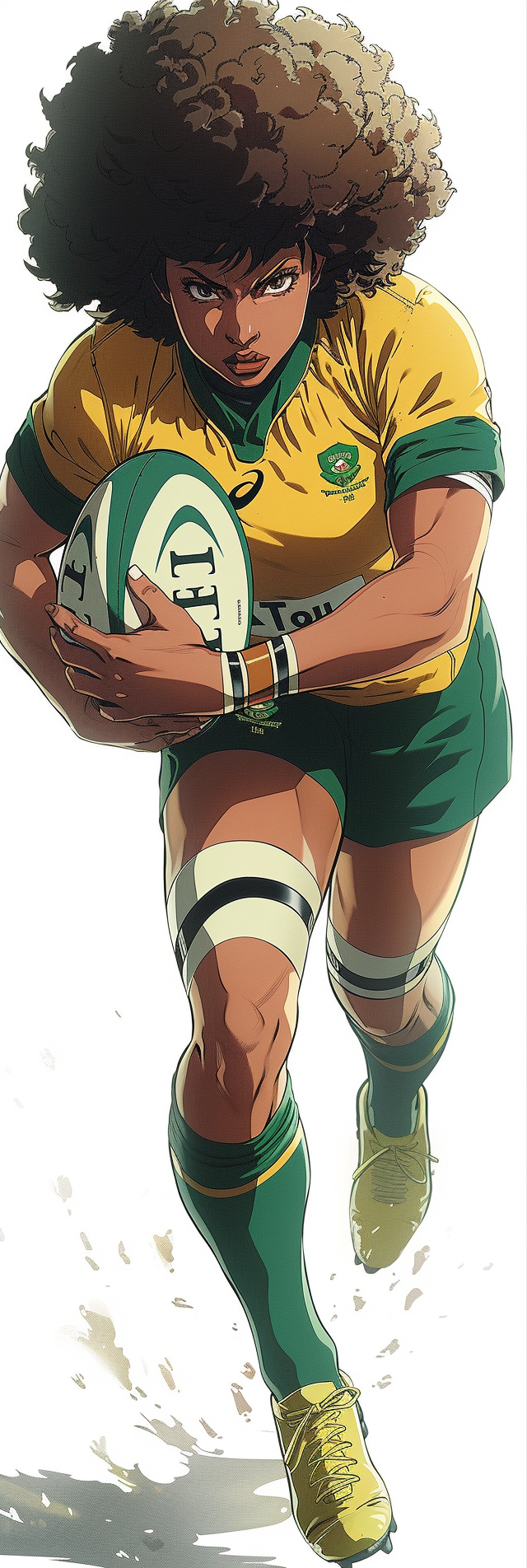
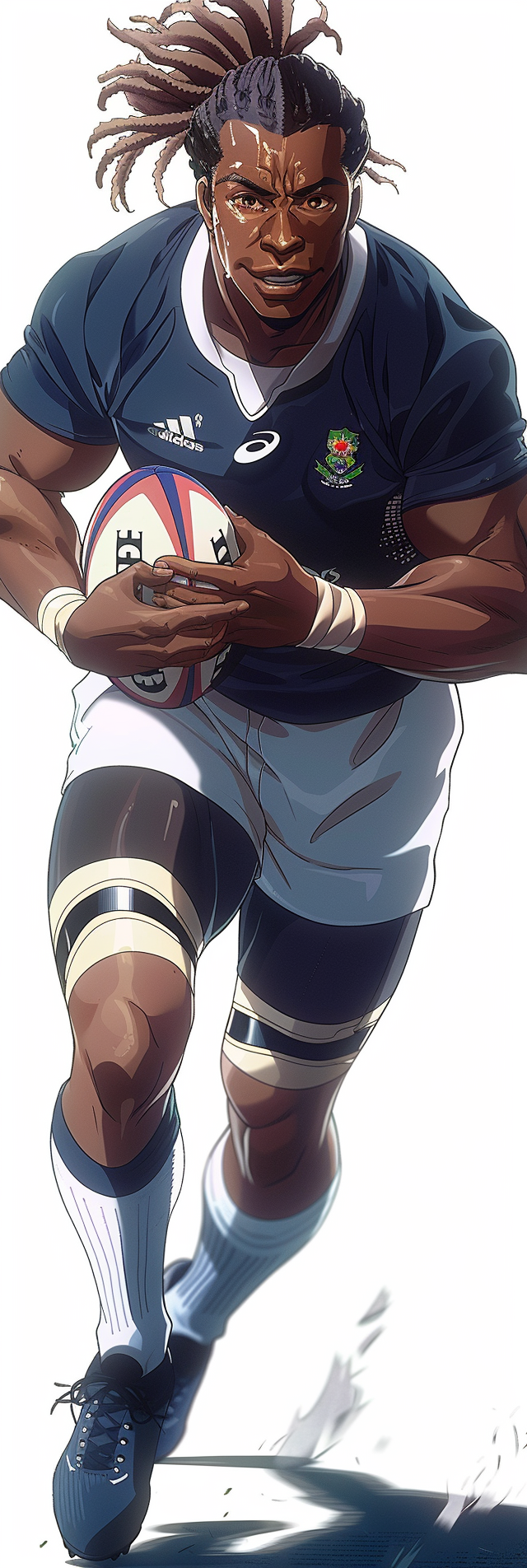
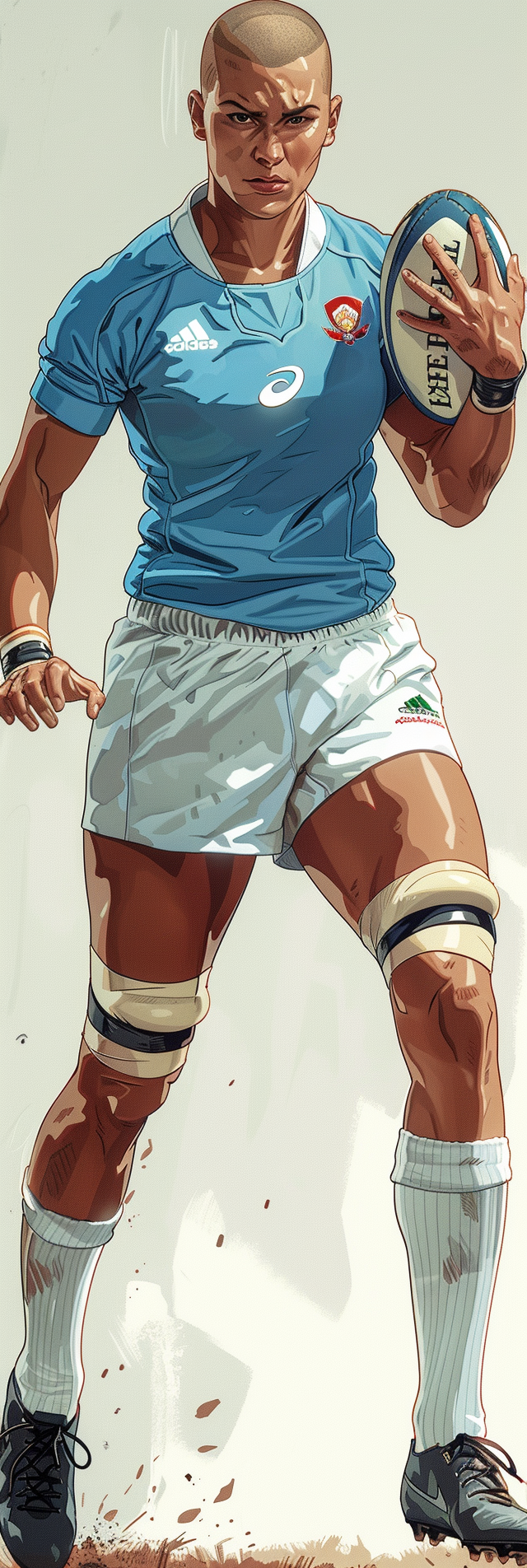
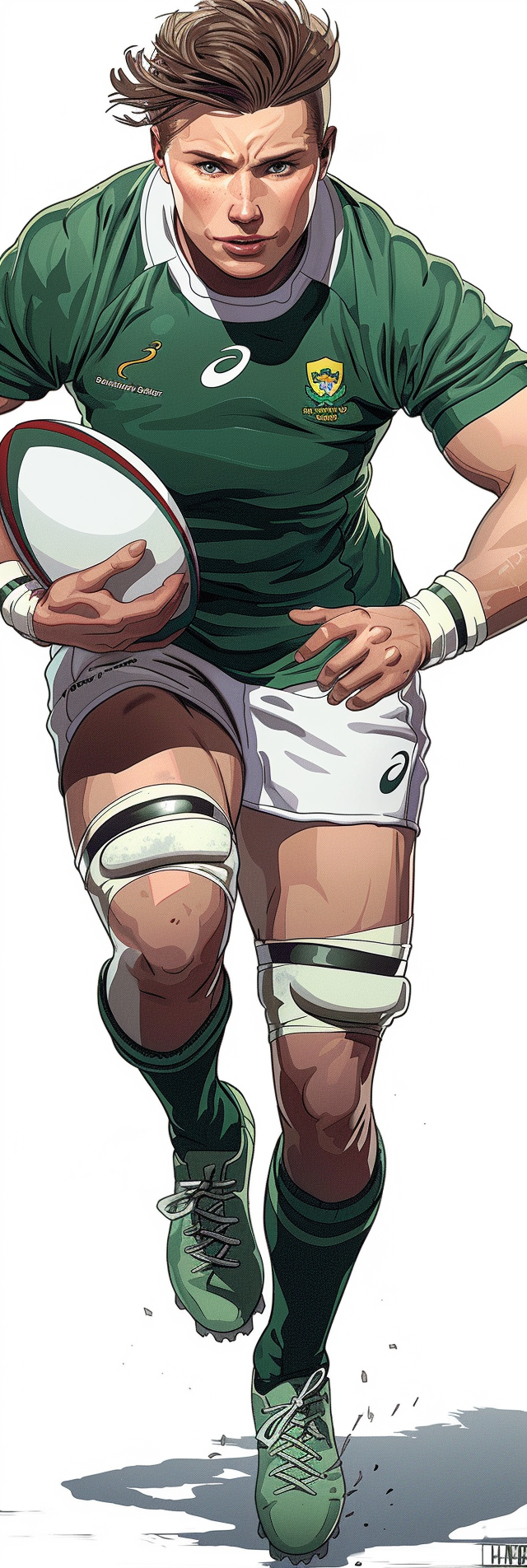
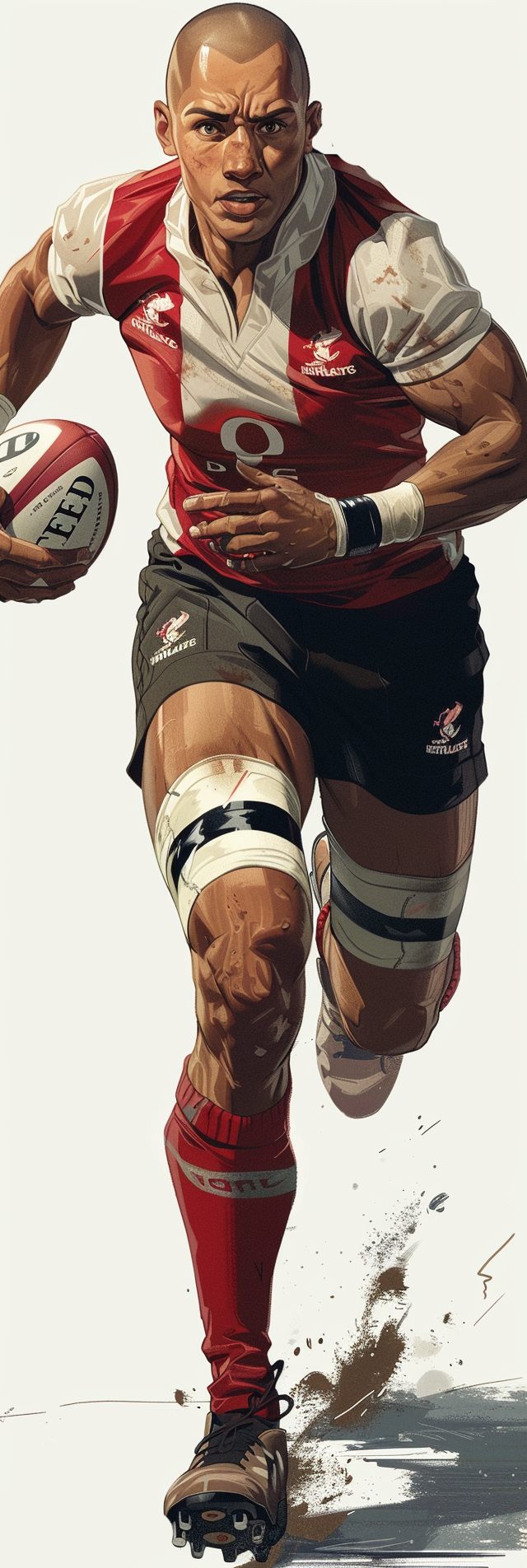
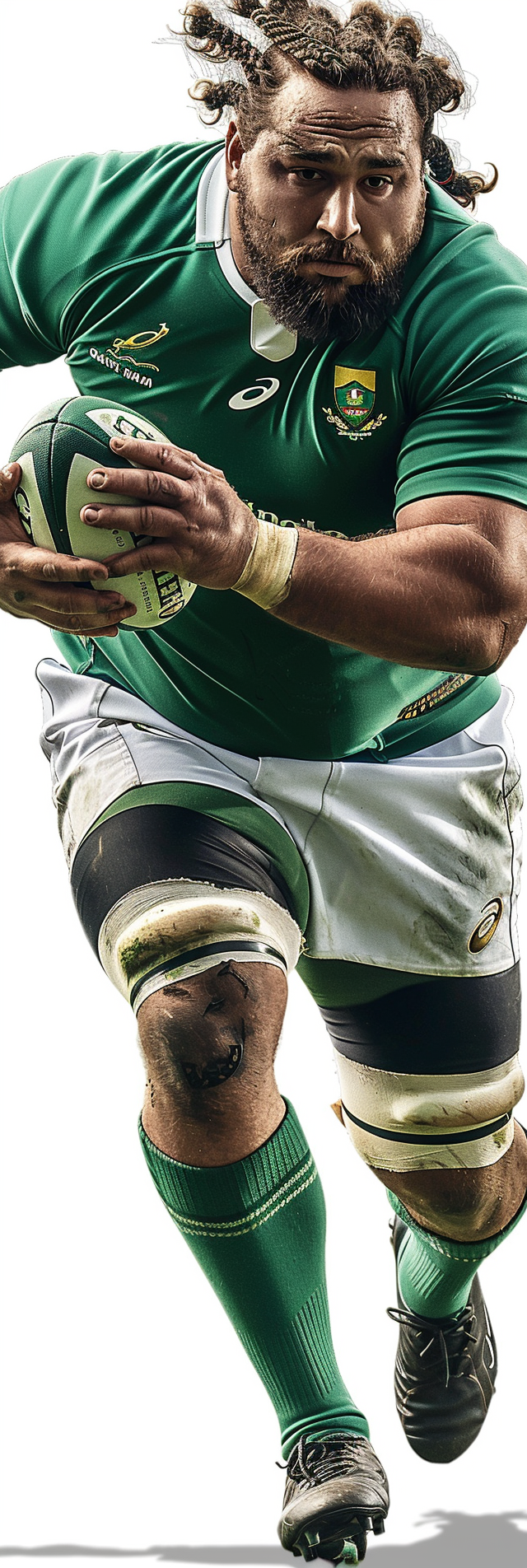
That simple list created a lot of possible images.
My job was to stop the system behaving like a slot machine. The portraits needed to feel varied, but not random. Inclusive, but not tokenistic. Strong, but not caricatured. Each one had to feel like it belonged to the same visual world.
The visual style came from Sunderland as much as rugby.
Sunderland is the National Esports City, so I did not want the portraits to feel like standard sports campaign artwork. I developed an anime-inspired style, with the feeling of a Street Fighter character select screen. Direct poses. Graphic shapes. Big character energy. You were not just filling in a form. You were building the player you wanted to become.
I developed the look through reference gathering and prompt testing. I started with Pinterest boards, looking for the right mix of manga energy, sports illustration and public-screen clarity. Then I moved into Midjourney prompt engineering, pushing the images until they had the right physical tension - players driving forward, hair moving, kit catching light, faces readable at phone scale and on the Pixel Plaza totems.
The key decision was to make the image system economical before making it technical.
Given the number of permutations, I created a matrix that helped us work out the fewest examples we needed to generate while still covering the full range of outputs. Those examples became the basis for training our own LoRA, so the final system could keep a consistent visual style without having to generate every possible combination by hand.
The team used a custom ComfyUI workflow built around that visual system. It gave the experience a way to control generation, hold the style together, and manage variation in a live public setting.
All AI generation ran locally onsite.
That mattered. It removed cloud costs, reduced latency, and made the experience more reliable in a live public setting. Speed was not just a technical requirement. It was part of the feeling. If someone scans, chooses, waits too long and loses interest, the moment has gone.
We delivered the experience through a QR-based web app, so people could take part immediately on their own phone.
Over the two-day opening weekend, the experience generated around 4,600 avatars, brought in around 4,200 unique visitors, and led to approximately 2,800 shares.
The point was not to show people AI.
The point was to let fans see themselves inside the event, in a form that connected rugby, Sunderland and the city’s esports identity.